Generic AI vs purpose-built estimating software: What's the difference?


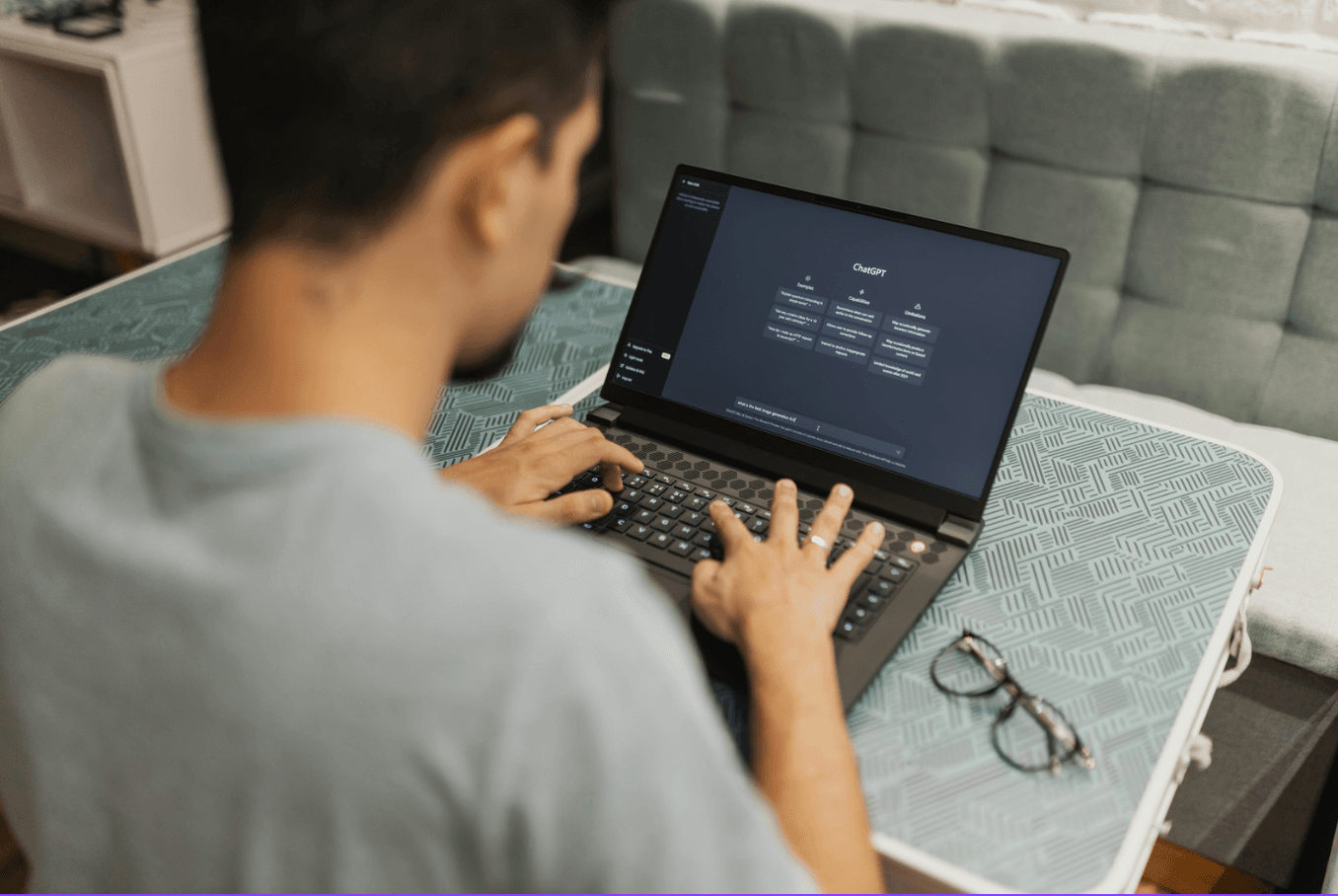
ChatGPT and Microsoft Copilot are useful. But “useful” and “fit for purpose” aren’t the same thing.
There’s a lot of noise right now about AI transforming every industry. Construction and estimating are no exception. If you’ve spent any time on LinkedIn recently, you’ve likely seen the predictions: AI will automate your workflow, eliminate errors, and free up hours every week.
Some of that is true. But there’s a meaningful difference between AI that can assist with estimating tasks and software that is built for them. Conflating the two can potentially lead to poor accuracy and wasted time.
Where generic AI falls short for estimators
1. It’s not trained to read drawings
General-purpose AI models are trained on text and broad internet data. They are not trained to interpret the conventions of electrical or mechanical drawings; the symbols, annotations, sheet scales, and spatial logic that experienced estimators read fluently. Ask ChatGPT to count the luminaires on a drawing and it cannot do it with precision. It might help you think through a methodology, but it won’t do the work completely accurately.
2. It has no understanding of scope or trade logic
Estimating isn’t just counting; it’s knowing what to count, what belongs in scope, and how items relate to each other. That knowledge is trade-specific and project-specific. Generic AI has no awareness of your scope, your pricing structures, your labour rates, or your historical data. Without that context, any output it produces needs to be verified from scratch.
3. Accuracy is not guaranteed and the stakes are high
General-purpose AI tools are known to hallucinate: producing confident-sounding answers that are factually wrong. In a marketing brief or a first draft of a document, that’s an inconvenience. In an estimate, it’s a commercial risk. You cannot submit a tender on the basis of AI-generated quantities without independently checking every figure.
4. It doesn’t integrate with your workflow
ChatGPT is a chat interface and Copilot sits inside Microsoft 365. Neither integrates with how an estimator actually works; moving between drawings, building takeoffs, referencing spec sheets, and feeding figures into pricing templates. Using a generic AI tool for estimating means manually transferring information between systems, which creates its own margin for error.
5. Uploading drawings raises data protection questions
Project drawings, specifications, and pricing are commercially sensitive, and often covered by NDAs. Upload them to a general-purpose AI tool and that data is processed on third-party servers, where it may be retained or used to train future models. Most free and consumer-tier tools offer no contractual guarantees about how your data is handled. That’s a risk most client contracts don’t allow for.
6. Usage limits get in the way of real project work
Generic AI tools run on tokens, a measure of how much data you can send and receive. Large drawing sets and lengthy specifications eat through those limits fast, forcing you to split documents apart, lose context between uploads, and pay more as projects scale. Estimating software doesn’t meter your work this way.
Where generic AI tools genuinely add value
Let’s be fair. ChatGPT, Microsoft Copilot, and similar tools are genuinely capable. They can help you draft a client-facing email or a subcontractor scope summary, summarise a long specification document, answer questions about materials, processes, or contract terms, and help structure a report or format a spreadsheet.
These are real productivity gains. For tasks that are broadly language-based, writing, summarising, and explaining, general-purpose AI performs well.
The problem comes when estimators try to apply these tools to the core work: reading drawings, extracting quantities, and producing accurate takeoffs.
What purpose-built software does differently
Software built specifically for electrical and mechanical estimators is designed to work around the complexities of the job.
1. It works on your drawings
For example, Countfire is designed to read the files estimators actually work with. The counting tools are built around drawing conventions - you’re not adapting a general tool; you’re using something designed for the task.
2. It learns your symbols and preferences
Over time, it can build familiarity with the symbols and configurations you use most, reducing set-up time on repeat projects and similar clients.
3. It keeps the estimator in control
Automated counting assists; it doesn’t replace judgement. Estimators can review, adjust, and override counts - the tool handles volume and repetition; the estimator handles scope interpretation and commercial decisions.
4. It integrates with how estimates are built
Rather than sitting outside your workflow, estimating software fits within it; connecting takeoff data directly to the pricing stage without manual re-entry.
The right way to think about AI in estimating
The question isn’t whether AI has a role in estimating. The question is: which tasks benefit from which tools?
AI tools are extremely useful for peripheral tasks; communication, documentation, and research. For the core work of reading drawings and producing quantities, the more reliable option is software designed for that specific job.
Generic AI is not going to replace estimating software; not because it isn’t capable, but because general capability is not the same as domain-specific accuracy. The estimators who get the most from AI will be the ones who use the right tool for each part of the job.
Want to see how Countfire handles electrical takeoffs? Start your trial today.
Related articles
6 Tips for reducing electrical estimate risk
There’s always risk involved with electrical estimates, but you can help to mitigate that risk. We’re looking at some tips here:
Read article
7 Tips for an accurate fire alarm system estimate
An accurate fire alarm system estimate means a better experience for your client and profitable project for your company. Here are some tips to consider:
Read article
Electrical Estimating Software: 2026 Guide
A practical guide to the best electrical estimating software available in 2026, covering key features, who each tool suits, and what to look for before you buy.
Read article